
A Dinosaur’s Sense of Smell: How Computers Resurrect a Lost World of Scent
Imagine standing in a Cretaceous forest. The air is thick with the aroma of damp ferns, strange, flowering trees, and the rich, loamy smell of ancient earth. In the distance, a scent carries on the breeze—is it the metallic tang of a fresh kill, or the musky warning of a nearby predator? For millions of years, this complex world of scent was lost to time. But today, the line between paleontology and cutting-edge technology is blurring. By feeding fossil data into powerful computers, scientists are digitally resurrecting the very breath of dinosaurs, revealing just how powerful their sense of smell truly was.
What we’re discovering is that a dinosaur’s nose was far more than a simple organ for sniffing. It was a sophisticated, multi-functional piece of biological engineering. New research, driven by CT scans and advanced computer simulations, shows that these intricate nasal passages were crucial for everything from hunting and foraging to cooling their brains and communicating.
The Fossilized Blueprint: More Than Just a Nose
The journey into a dinosaur’s sensory world begins with bone. While soft tissues like cartilage and membranes rarely survive the fossilization process, the skulls of these ancient creatures hold the bony blueprint of their nasal architecture. For decades, paleontologists could only guess at the function of these empty cavities.
The game changed with the discovery of exceptionally preserved fossils and the advent of high-resolution computed tomography (CT) scanning. By scanning the skulls of dinosaurs like the armored Ankylosaurus, the dome-headed Pachycephalosaurus, and the legendary Tyrannosaurus rex, scientists can create pristine, three-dimensional digital models of their internal head structures. These models reveal a surprising complexity: long, winding, and sometimes labyrinthine passages that hint at a purpose far beyond simply channeling air to the lungs.
Breathing Life into Bone: The Power of Computational Fluid Dynamics
This is where digital resurrection truly begins. Using a technique called Computational Fluid Dynamics (CFD), researchers from institutions like Ohio University take these 3D models and essentially create a “digital wind tunnel.” They simulate how air would have moved through the nasal cavities as the dinosaur breathed, revealing the precise physics of its respiratory system.
These simulations have yielded two groundbreaking insights:
- A Built-In Air Conditioner: Many dinosaurs, especially large ones, had incredibly long and convoluted nasal passages. The CFD models show that as air was inhaled, it created turbulence that cooled the blood flowing in vessels lining the nasal cavity. This cooled blood would then travel to the brain, acting as a natural radiator to prevent the delicate organ from overheating. For a 40-foot, multi-ton animal living in a warm climate, this was a critical survival mechanism.
- Efficient Breathing: The complex structure wasn’t just for cooling; it also helped the dinosaurs conserve heat and moisture. Much like the nasal turbinates in modern mammals and birds, the passages would trap heat and water from exhaled breath, a vital adaptation for maintaining their internal biology and high metabolism.
The Kings of Scent: Apex Predators and Their Super-Sniffers
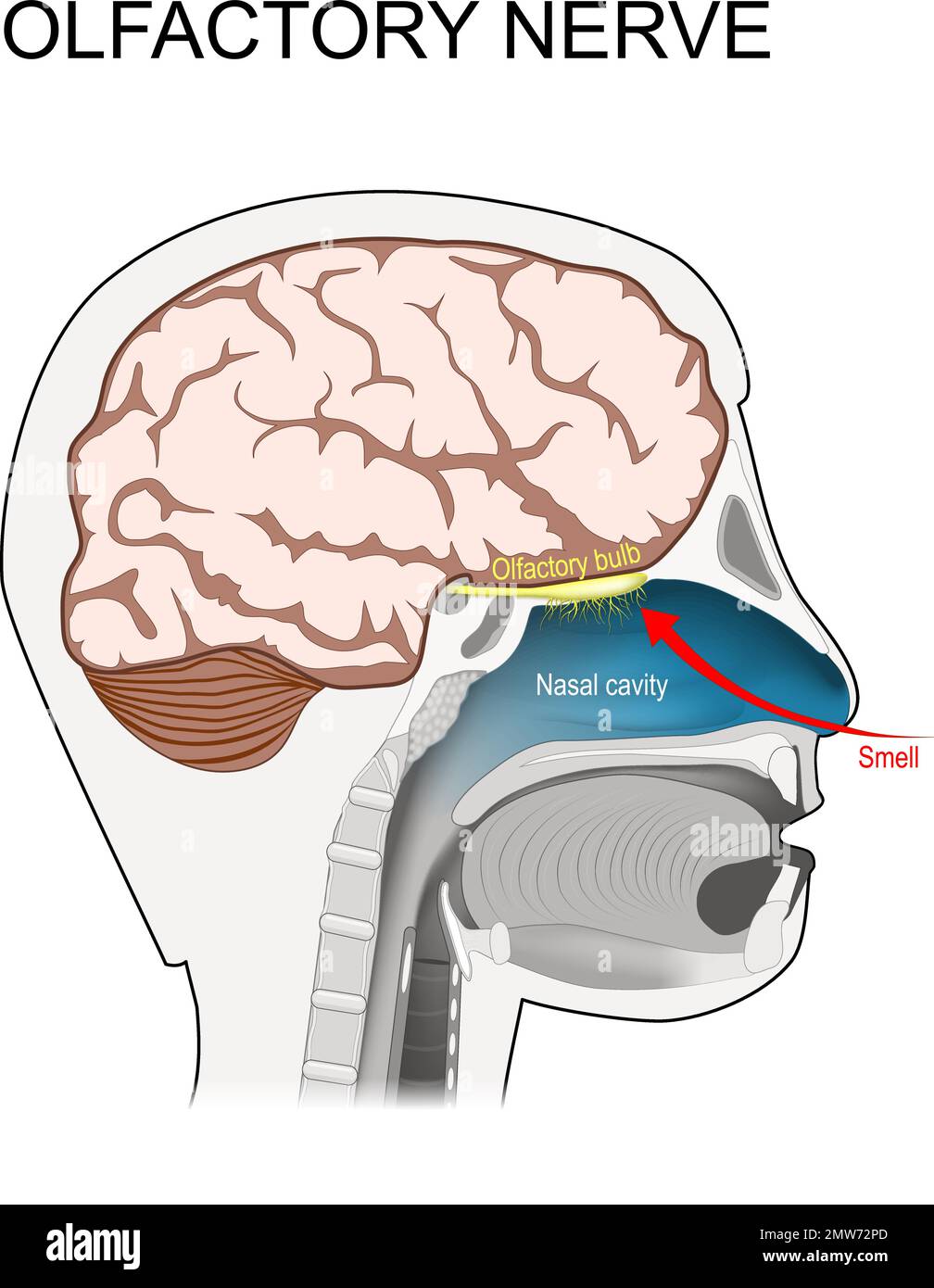
For years, the evidence has mounted that Tyrannosaurus rex was a master of olfaction. Analysis of its fossilized braincase reveals enormous olfactory bulbs—the part of the brain dedicated to processing smells. These were proportionately larger than those of almost any other dinosaur, suggesting an incredibly acute sense of smell.
The CFD models now provide the “how.” The simulations of a T. rex snout show that its internal anatomy was exquisitely designed to funnel a large percentage of inhaled air directly to the olfactory receptors. This would have made its nose a supremely effective tool. Whether it was an active hunter tracking prey for miles or an opportunistic scavenger locating a carcass from a great distance, its sense of smell gave it a distinct advantage as the apex predator of its environment.
Not Just for Carnivores: The Herbivore’s Olfactory Toolkit
It’s easy to assume that a powerful nose was only useful for finding meat, but the digital models tell a different story. In a surprising discovery, CT scans of a nodosaur—an armored, plant-eating cousin of Ankylosaurus—revealed it possessed an exceptionally long and complex nasal passage, earning it the title of a “super sniffer.”
Why would an herbivore need such a keen sense of smell? The reasons are a testament to the complexity of the Mesozoic world:
- Finding Food: A sharp nose could help it differentiate between nutritious and potentially toxic plants.
- Avoiding Danger: It could detect the scent of an approaching predator long before it was visible, giving it precious time to hunker down and rely on its formidable armor.
- Social Cues: Like modern animals, these dinosaurs may have used scent to communicate, detecting pheromones related to mating, territory, or group cohesion.
| Digital Nose Jobs: What the Airflow Models Reveal |
| :— | :— | :— |
| Dinosaur Group | Nasal Cavity Feature | Primary Function (Revealed by CFD) |
| Tyrannosaurus rex | Large Olfactory Region | Superior Scent Detection |
| Ankylosaurian (Nodosaur) | Long, Looping Passages | Scent Detection & Brain Cooling |
| Pachycephalosaur | Complex, Convoluted Airways | Efficient Thermoregulation & Smell |
The Pachycephalosaur Puzzle: A Head for More Than Bashing
The dome-headed Pachycephalosaurus has long been typecast as the dinosaur that settled disputes by head-butting. While that may be true, an analysis of its nasal passages shows there was much more going on inside that famous skull.
Extraordinarily preserved fossils have allowed scientists to model its airways, which were found to be remarkably complex. The CFD simulations confirm that these structures were highly effective at thermoregulation—a vital feature for an animal that may have engaged in high-impact activities. But they were also clearly adapted for a strong sense of smell, suggesting olfaction played a key role in their social lives, helping them find mates or identify rivals and predators.
From Digital Breath to Ancient Reality
The picture emerging from these digital reconstructions is of a world far more vibrant and nuanced than we ever imagined. A dinosaur’s sense of smell wasn’t a secondary sense; it was a primary tool that shaped its behavior, its biology, and its very survival. The nasal cavity was a masterwork of evolution—a single system that could cool the brain, conserve energy, and provide a detailed map of the surrounding world through scent.
As our technology grows more powerful, so too will our ability to explore these lost worlds. The ghostly breaths simulated in a computer are bringing us closer than ever to understanding the daily lives of these magnificent animals. We are learning that to truly know the dinosaur, we must first understand the world as it smelled to them.
Additional Information
Of course. Here is a detailed article and analysis on the topic of dinosaur olfaction, synthesizing the provided search results to create a comprehensive and up-to-date overview.
A Dinosaur’s Sense of Smell: How High-Tech Computers Are Unlocking the Secrets of Their Nasal Cavities
For decades, our image of a dinosaur’s sensory world was based on educated guesses from the size of eye sockets and braincases. But in the 21st century, paleontology has fused with cutting-edge medical imaging and engineering, allowing scientists to breathe digital life back into these ancient creatures. By focusing on one of the most intricate and revealing structures—the nasal cavity—researchers are discovering that a dinosaur’s nose was far more than a simple tool for smelling. It was a sophisticated, multifunctional organ that acted as a super-sniffer, an internal air conditioner, and a vital respiratory filter.
From Fossil to Digital Flow: The Technology Unlocking the Past
The key to these new insights lies in a powerful combination of technologies. The process begins with exceptionally well-preserved dinosaur skulls, which are scanned using high-resolution Computed Tomography (CT), the same technology used in modern medicine to see inside the human body. These scans create a detailed, 3D digital blueprint of the skull’s internal architecture, including the complex, winding pathways of the nasal cavity that are normally hidden from view.
Once this digital model is created, scientists, like the pioneering teams at Ohio University, apply Computational Fluid Dynamics (CFD). This is a powerful computer simulation technique used by engineers to model the flow of fluids—in this case, air. By simulating how air would have moved through the dinosaur’s snout as it breathed, researchers can analyze its function with incredible precision. They can map out airflow speed, pressure, and heat transfer, revealing the secrets of how these animals smelled, breathed, and even thought.
More Than a Sniffer: The Triple-Function Dinosaur Nose
The results from these CFD simulations have been revolutionary, showing that dinosaur nasal passages were complex biological machines performing several crucial tasks simultaneously.
1. An Enhanced Sense of Smell (Olfaction)
The most obvious function of a nose is to smell, and computer models confirm that many dinosaurs were masters of olfaction. The CT scans allow scientists to reconstruct the size and shape of the olfactory bulbs, the region of the brain responsible for processing smells.
- Tyrannosaurus rex: As long suspected, T. rex had an amazing sense of smell. Analysis of its braincase reveals enormous olfactory bulbs, suggesting a significant portion of its brain was dedicated to scent. This powerful nose would have been essential for hunting live prey, locating carcasses from miles away, and detecting rivals or mates, solidifying its role as an apex predator.
- Ankylosaurs and Their Kin: It wasn’t just the carnivores. A study on Pawpawsaurus, a cousin of the heavily armored Ankylosaurus, revealed it was a “super sniffer.” Despite its herbivorous diet, its long, convoluted nasal passages gave it an exceptional sense of smell, likely used to find the best food, avoid predators it couldn’t see, and for social communication.
2. A Built-in Air Conditioner (Thermoregulation)
One of the most surprising discoveries is that dinosaur noses were highly efficient heat exchangers. The vast surface area created by the labyrinthine nasal passages played a critical role in regulating temperature.
- Brain Cooling: As active animals, dinosaurs generated a lot of body heat. The brain is particularly sensitive to overheating. The CFD models show that as a dinosaur inhaled, the air flowing through its nasal passages would cool the blood heading to its brain. This natural air-conditioning system was vital for protecting the brain during strenuous activity, allowing dinosaurs like T. rex to be agile and powerful without suffering neurological damage. This finding is especially compelling in species like the thick-skulled Pachycephalosaurs, which may have engaged in head-butting, an activity where keeping a cool head would be paramount.
- Conserving Heat and Water: The system worked both ways. The passages would also warm and humidify cool, dry air before it reached the delicate lungs, improving respiratory efficiency and preventing water loss—a crucial adaptation in many Mesozoic environments.
3. Efficient Breathing and Filtration
Beyond smelling and cooling, the basic function of breathing was also highly optimized. The complex structure of the nasal cavity created a pathway that filtered out dust and debris while ensuring a smooth, steady flow of air to the lungs. This sophisticated respiratory system was essential for fueling the high-energy lifestyles of these massive animals.
Analysis and Implications: Re-imagining the Dinosaur
This deep dive into the dinosaur nose has profound implications for how we understand these animals:
- Complex Physiology: Dinosaurs were not the slow, simple-minded reptiles of early depictions. They possessed a complex and finely tuned physiology, rivaling that of modern birds and mammals. The ability to cool their brains suggests they were capable of sustained, high-energy activity.
- Sensory Worlds: We can now begin to imagine the world as a dinosaur experienced it—a landscape rich with smells that guided them to food, warned them of danger, and helped them find a mate. For a T. rex, the world was a map of scents; for an ankylosaur, it was a fragrant menu of edible plants and the lingering smell of predators.
- Behavioral Insights: A superior sense of smell combined with an efficient brain-cooling system supports the idea of complex behaviors. It paints a picture of active hunters, vigilant herbivores, and socially interactive animals whose lives were dictated by more than just sight.
In conclusion, the unassuming nasal cavity has become a gateway to understanding the lost world of the dinosaurs. Thanks to the digital synergy of CT scanners and computer simulations, scientists are no longer just looking at bones; they are analyzing the very breath of a T. rex. What these models tell us is that the key to a dinosaur’s dominance may have been, quite literally, right under its nose.

