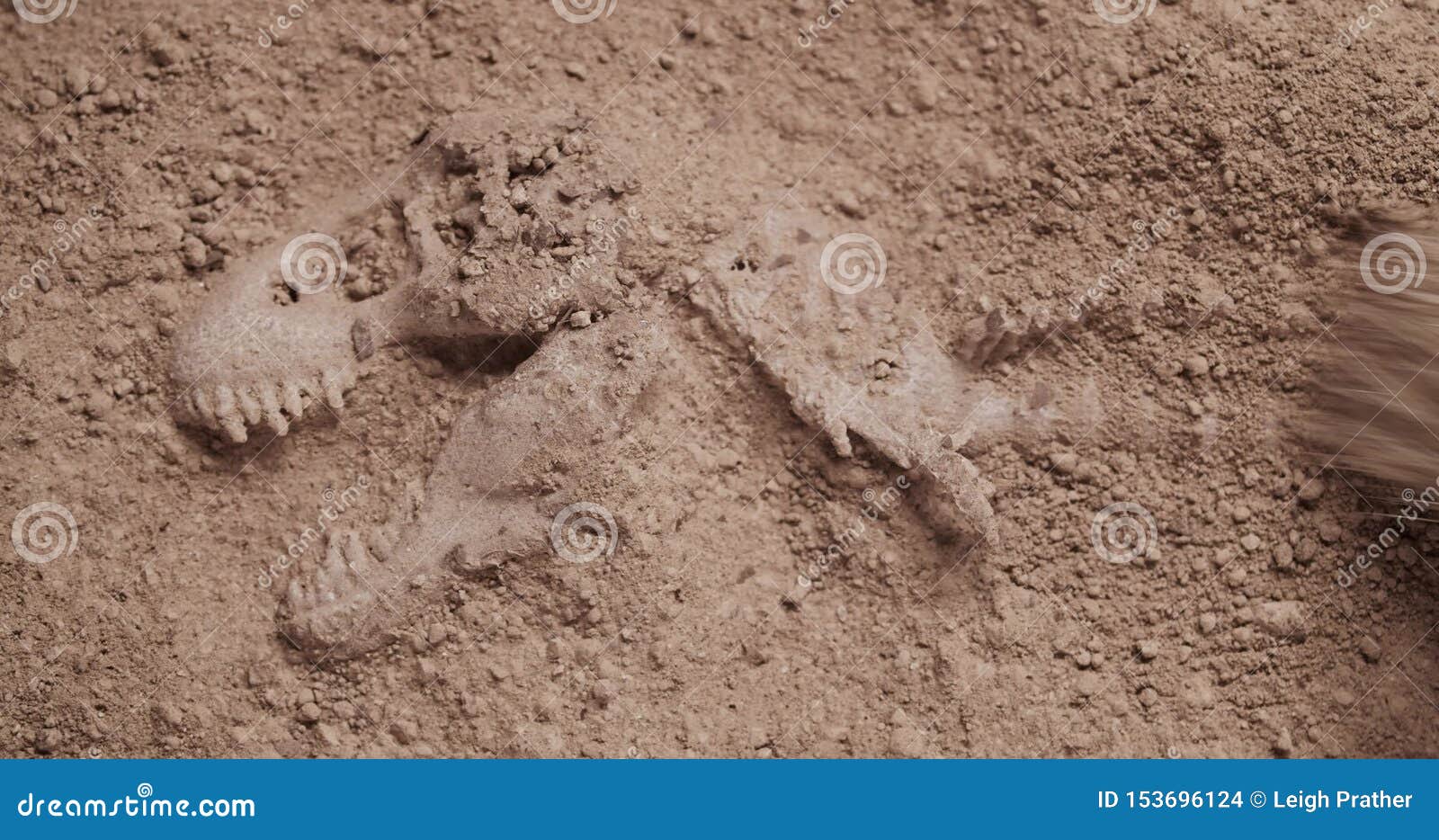

Beyond the Fossil: 6 Modern Analytical Techniques Unearthing Dinosaur Biology
For over a century, our understanding of the “terrible lizards” was etched in stone—quite literally. Paleontology was a science of silhouettes, where researchers reconstructed behemoths from mineralized bones and impressions in the mud. However, the 21st century has ushered in a “Technological Renaissance.” We are no longer limited to describing the shape of a femur; we are now interrogating the very molecules that built it.
From the macroecology of the Mesozoic to the microscopic remnants of soft tissue, modern analytical techniques are peeling back the layers of deep time. Here are six cutting-edge methods currently redefining dinosaur biology.
1. Paleoproteomics: The Molecular Blueprint
While the quest for “Jurassic Park” style DNA remains largely a cinematic dream due to the fragility of genetic material, paleoproteomics is the realistic frontier. Proteins like collagen are significantly more robust than DNA and can survive for millions of years under specific conditions.
By using Mass Spectrometry, scientists can sequence ancient proteins trapped within fossilized bone matrix. This allows researchers to build “molecular phylogenies,” placing dinosaurs on the tree of life with biological precision rather than relying solely on bone shapes. This technique has confirmed the inextricable link between theropod dinosaurs and modern birds, turning fossils into biological data points.
2. Synchrotron X-ray Imaging: Peering Through Stone
Standard medical CT scans changed the game in the 1990s, but Synchrotron Radiation (SR) is the upgrade the field desperately needed. By accelerating electrons to near-light speeds, synchrotrons produce high-energy X-rays that are billions of times brighter than those in a hospital.
This technique allows paleontologists to visualize the interior of fossils without ever touching a chisel. It can reveal the embryonic skeletons inside unhatched eggs, the vascular pathways in a jawbone, and even the “ghosts” of soft tissues like lungs or feathers that are invisible to the naked eye. It provides a non-destructive way to perform a digital autopsy on a creature that died 70 million years ago.
3. Stable Isotope Analysis: The Geochemical Diary
You are what you eat, and dinosaurs were no exception. Stable Isotope Analysis examines the chemical signatures of elements like oxygen, carbon, and strontium preserved in dinosaur teeth and bones.
These isotopes act as a biological diary. Oxygen isotopes can reveal the body temperature of the animal, settling long-standing debates about whether dinosaurs were cold-blooded (ectothermic) or warm-blooded (endothermic). Carbon isotopes provide insights into the specific types of plants a herbivore consumed, while strontium isotopes can track the migratory patterns of a herd across a prehistoric landscape.
4. Finite Element Analysis (FEA): Engineering the Past
Originally developed for aerospace and civil engineering, Finite Element Analysis (FEA) is now used to “stress test” dinosaur skulls and limbs. By creating high-fidelity digital models, researchers can simulate the mechanical stresses of a Tyrannosaurus rex bite or the weight-bearing capacity of a Diplodocus neck.
FEA allows us to understand the functional biology of extinct animals. It tells us not just what a dinosaur looked like, but how it moved, how hard it could chew, and whether its skeleton could withstand the rigors of high-speed pursuit. It turns paleontology into a study of biomechanical efficiency.
5. Bone Histology and Sclerochronology: Reading the Rings
Much like the rings of a tree, dinosaur bones contain “Lines of Arrested Growth” (LAGs). Bone Histology involves taking microscopic thin-sections of fossilized bone to study its internal structure.
Through this technique, we can determine the age of a dinosaur at the time of its death, its growth rate, and when it reached sexual maturity. We now know that giants like Apatosaurus achieved their massive size through staggering “teenage” growth spurts, a biological trait that explains how they dominated their ecosystems so quickly.
6. Machine Learning and Macroecological Modeling
The explosion of data in the 21st century has led to the rise of Analytical Paleobiology. Using Machine Learning (AI), researchers can now process vast datasets of fossil occurrences to map out the macroecology of the Mesozoic.
These algorithms can predict where new fossils might be found or identify patterns in extinction events that were previously hidden. By feeding the computer data on climate, sea levels, and fossil locations, AI helps scientists understand how dinosaur populations responded to environmental shifts, providing a roadmap for how modern species might react to current climate change.
Summary of Modern Analytical Tools
| Technique | Primary Insight | Modern Edge |
|---|---|---|
| Paleoproteomics | Evolutionary lineage | Identifies ancient protein sequences |
| Synchrotron Imaging | Internal anatomy | Non-destructive sub-micron resolution |
| Isotope Analysis | Diet and Metabolism | Chemical signatures in tooth enamel |
| Finite Element Analysis | Biomechanics | Simulates bite force and movement |
| Histology | Growth rates | Microscopic “tree rings” in bone |
| Machine Learning | Ecosystem patterns | AI-driven predictive modeling |
The Future of the Past
The shift from descriptive to analytical paleobiology has transformed the field from a sub-discipline of geology into a rigorous biological science. As technology advances, the line between the living and the extinct continues to blur. We are no longer just looking at fossils; we are unearthing the heartbeat of the Mesozoic, one molecule at a time. The next decade of dinosaur discovery won’t just happen in the badlands—it will happen in the lab.

Additional Information
The field of paleontology has undergone a radical transformation over the last two decades. No longer limited to brushes and chisels, modern paleontologists are now data scientists, molecular biologists, and physicists. This shift—often called the “Paleobiological Revolution”—uses high-tech analytical tools to extract biological information from fossils that was once thought lost to time.
Based on recent research trends and literature reviews, here are six modern analytical techniques that are currently unearthing the hidden biology of dinosaurs.
1. Paleoproteomics: The Molecular Frontier
While “Ancient DNA” captures the public imagination, DNA is a fragile molecule that rarely survives more than a million years. However, Paleoproteomics—the study of ancient proteins—is proving to be a game-changer. As noted in recent reviews (Source 4), proteins like collagen are more stable than DNA and can survive for tens of millions of years within the mineral matrix of bone.
- The Analysis: Using Liquid Chromatography-Tandem Mass Spectrometry (LC-MS/MS), scientists can sequence amino acids.
- Biological Insight: This allows researchers to build more accurate “family trees” (phylogenies) and identify soft tissues that haven’t fossilized, providing a direct molecular link between dinosaurs and modern birds.
2. Synchrotron X-ray Imaging and High-Res Micro-CT
Traditional CT scans have been used for years, but the new gold standard is Synchrotron Radiation-based Micro-computed Tomography (SRμCT). This technique uses particle accelerators to generate X-rays a billion times brighter than those in a hospital.
- The Analysis: This non-destructive technique (Source 1, 7) allows scientists to “see” through solid rock at the cellular level.
- Biological Insight: Researchers can now visualize the neuroanatomy (brain shape) of dinosaurs, the respiratory pathways in their snouts, and even the “growth rings” in their teeth without ever damaging the specimen. This helps us understand dinosaur intelligence, sense of smell, and metabolic rates.
3. Finite Element Analysis (FEA) and Biomechanical Modeling
Borrowed from aerospace and civil engineering, Finite Element Analysis (FEA) is used to test how dinosaur skeletons handled physical stress.
- The Analysis: Digital models of bones are subjected to virtual loads to see where they bend or break (Source 3).
- Biological Insight: FEA has debunked myths about dinosaur behavior. For example, it helped determine the maximum bite force of a T. rex and whether long-necked sauropods could lift their heads vertically. It bridges the gap between static fossils and living, moving organisms.
4. Stable Isotope Geochemistry
By analyzing the chemical “fingerprints” left in fossilized teeth and bones, paleontologists can reconstruct the environment and daily life of a dinosaur.
- The Analysis: Measuring the ratios of isotopes like Oxygen-18 and Carbon-13 (Source 1, 3).
- Biological Insight:
- Oxygen isotopes reveal the temperature of the water the dinosaur drank, helping determine if they were “warm-blooded” (endothermic) or “cold-blooded” (ectothermic).
- Carbon and Strontium isotopes can track dinosaur migration patterns and specific diets, revealing whether a herbivore was a “browser” (eating high leaves) or a “grazer” (eating ground cover).
5. Macroevolutionary Quantitative Modeling
One of the most significant shifts highlighted by early-career researchers (Source 2, 5) is the move toward Big Data. Instead of looking at one fossil, scientists use massive datasets to look at thousands.
- The Analysis: Using R-based statistical packages and Bayesian modeling to analyze spatial and temporal patterns.
- Biological Insight: This allows scientists to map how dinosaur diversity responded to climate change over millions of years. It moves paleontology from “storytelling” to “testing hypotheses,” such as whether dinosaurs were already in decline before the asteroid hit.
6. Paleohistology (Bone Microstructure Analysis)
By cutting extremely thin sections of fossilized bone and viewing them under polarized light, scientists can read a dinosaur’s life history like the rings of a tree.
- The Analysis: Microscopic examination of Lines of Arrested Growth (LAGs) and vascularity (Source 1).
- Biological Insight: Paleohistology has revealed that dinosaurs grew incredibly fast, much like modern mammals and birds. It can tell us how old a dinosaur was when it died, when it reached sexual maturity, and whether it suffered from specific diseases or periods of starvation.
Analysis: The “New Age” of Discovery
The synthesis of these techniques represents a move toward interdisciplinary paleobiology. As highlighted in the Frontiers in Dinosaur Science report (Source 7), the challenge for the next generation of researchers is not just finding fossils, but managing the “data deluge” these techniques produce.
Key Takeaways from the Recent Literature:
- Non-Destructive Priority: There is a growing emphasis on techniques like SRμCT that preserve the fossil for future generations while extracting maximum data (Source 1).
- Early-Career Innovation: Young researchers are the primary drivers of “Analytical Paleobiology,” integrating coding and complex math into traditional fieldwork (Source 2).
- Soft Tissue Focus: The “holy grail” has shifted from bones to molecular signatures (paleoproteomics), which offers the most direct window into dinosaur physiology (Source 4).
By moving “Beyond the Fossil,” modern science has stopped viewing dinosaurs as “extinct monsters” and started treating them as biological entities—allowing us to understand their breath, their blood, and their life cycles with startling clarity.