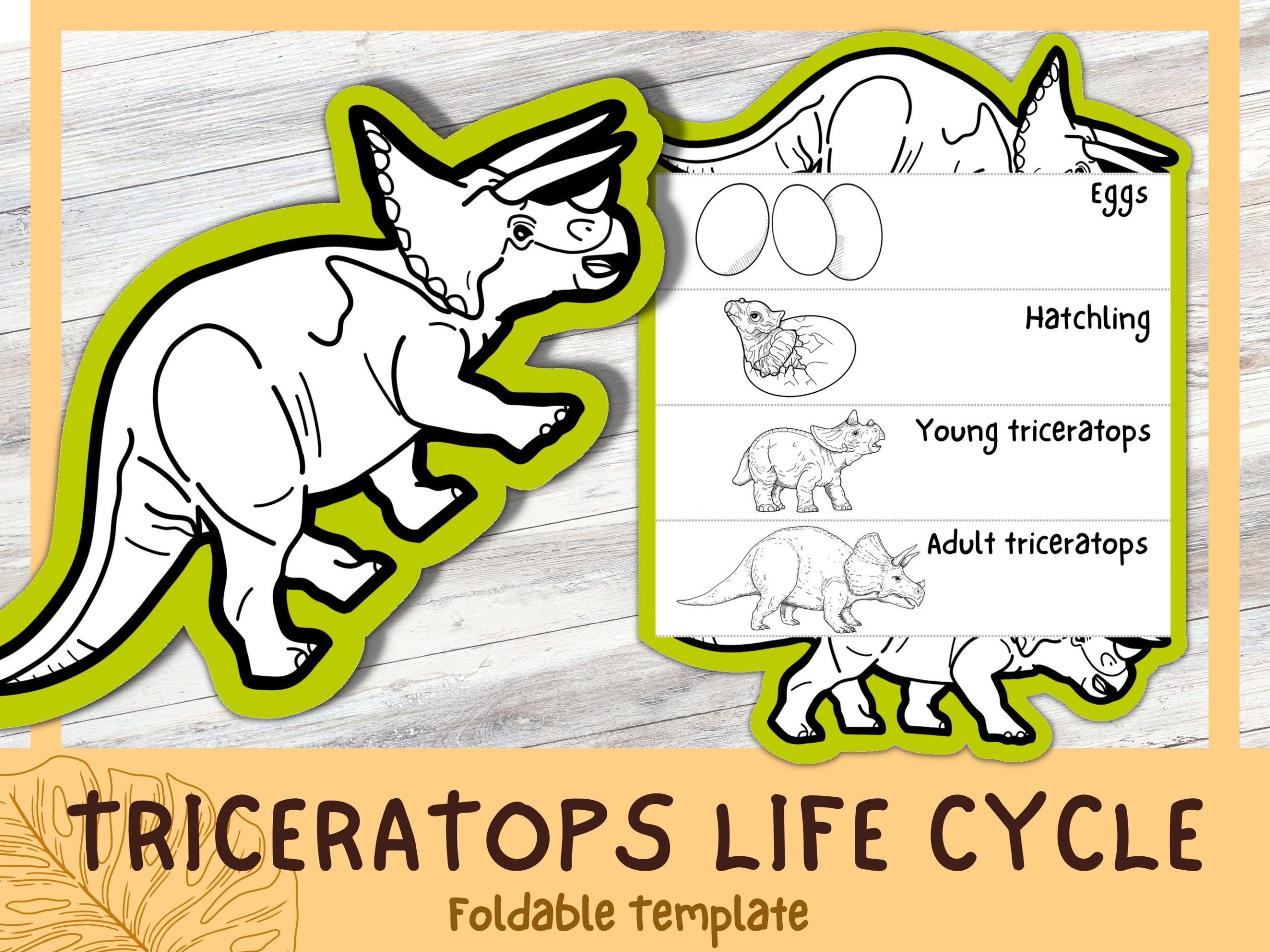

From Tiny Hatchlings to Giants: The Complete Dinosaur Life Cycle
The age of dinosaurs, a period stretching across 165 million years, was not just about colossal creatures; it was a vibrant tapestry of birth, growth, and eventual demise, a complete life cycle unfolding on a prehistoric stage. While our understanding is pieced together from fossilized fragments, the story of how a tiny, vulnerable egg transformed into a thunderous titan is as compelling as any modern drama. From the moment of conception to the final, echoing roar of a mature beast, the dinosaur life cycle was a testament to evolution’s ingenuity.
The journey began with the primal act of reproduction. Unlike the live-bearing mammals of today, dinosaurs, like most reptiles and birds, reproduced by laying eggs. These were not uniform spheres; the shape, size, and texture varied dramatically, reflecting the diversity of the species themselves. Imagine the sprawling nesting grounds, bustling with activity, where gentle giants like Hadrosaurus meticulously arranged clutches of leathery or hard-shelled eggs, or where a formidable Tyrannosaurus rex guarded its precious brood. The meticulous care, or sometimes the stark absence of it, defined the initial hurdle for survival.
The Cradle of Life: Dinosaur Eggs
The incubation period was a critical phase, a delicate balance of temperature and protection. Fossil evidence suggests that some dinosaurs, like the oviraptorids, may have incubated their eggs by brooding, much like modern birds. Others might have relied on geothermal warmth or the sun’s rays. The egg itself was a self-contained ecosystem, providing the developing embryo with nourishment and a protected environment.
| Egg Feature | Description | Example Dinosaur |
|---|---|---|
| Shell Type | Leathery or hard, porous | Maiasaura (leathery), Oviraptor (hard) |
| Size Range | From pebble-sized to ostrich-sized | Compsognathus (small), Sauropods (large) |
| Clutch Size | Few to dozens of eggs | Protoceratops (dozens), Hypsilophodon (few) |
| Incubation | Brooding, geothermal, solar heat | Oviraptor, Hadrosaurus |
The fragility of these early stages meant that mortality rates were exceptionally high. Predators, environmental changes, and even their own siblings could pose significant threats. Only the strongest, the luckiest, or those with dedicated parental care would eventually crack free from their calcareous confines.
The Fledgling Years: Hatchlings and Juveniles
The moment of hatching was a triumph. Tiny, often helpless, dinosaur hatchlings emerged into a world teeming with both opportunity and danger. Their initial appearance would have been a far cry from their adult forms. Many had proportionally larger heads and eyes, and their limbs might have been less robust. Their diet would have consisted of soft vegetation, insects, or even the remains of unhatched siblings in some cases, a grim reality of the prehistoric food chain.
This period was characterized by rapid growth. Juveniles of herbivorous species, like young Triceratops with their burgeoning frills, would have stayed close to their herds for protection. Predatory young, such as miniature Velociraptors, likely honed their hunting skills in packs, learning the intricate dance of the chase. The skeletal structure would have been constantly remodeling, with bones fusing and strengthening as they prepared for the demands of adulthood.
The Adolescent Charge: Growth and Development
As dinosaurs transitioned into adolescence, their physical transformations were dramatic. The awkward juvenile forms gave way to more specialized physiques. This was the era of rapid skeletal growth, particularly in long-necked sauropods, whose vertebrae would have been elongating at an astonishing rate to support their towering stature. Ornithischians would have developed their characteristic armor, crests, and horns, not just for defense but also for display and species recognition.
This stage was also crucial for social development. Young dinosaurs would have learned their place within the herd or pack structure, practicing dominance displays and honing their communication skills. The development of complex social behaviors, from migratory patterns to territorial disputes, was likely cemented during these formative years. The energy demands of this accelerated growth would have required constant foraging and a keen awareness of their surroundings, making them vulnerable to the apex predators.
The Apex of Existence: Adult Dinosaurs
Reaching adulthood marked the zenith of a dinosaur’s life. They were fully developed, their formidable forms equipped for survival, reproduction, and ecological dominance. A mature Brachiosaurus could spend its days browsing the highest canopy, while a hunting pack of Allosaurus would have coordinated intricate strategies to bring down large prey.
This was the reproductive prime. Mating rituals, often elaborate and energy-intensive, would have been a defining feature of adult life. The success of these endeavors ensured the continuation of the species. Adults also played vital roles in their ecosystems, shaping landscapes through their feeding habits and acting as both predators and prey that influenced the populations of other species. Their imposing presence dominated the prehistoric world, a testament to millions of years of evolutionary refinement.
The Fading Roar: Senescence and Decline
Like all living organisms, dinosaurs eventually entered their senescence. As they aged, their bodies would have begun to break down. Bones might have become more brittle, teeth worn down from constant use, and their ability to forage or hunt would have diminished. Older individuals, though perhaps still formidable, would have been more susceptible to disease, injury, and predation.
The exact causes of death in the fossil record are often difficult to determine. However, wear and tear on the body, starvation due to declining hunting or foraging ability, or succumbing to the attacks of younger, more vigorous predators were all likely factors. The end of an individual dinosaur’s life was a natural, albeit often brutal, conclusion to a complex life cycle.
The Legacy in Stone: Fossils and Scientific Discovery
The ultimate legacy of the dinosaur life cycle is preserved in the fossil record. The meticulously unearthed bones, footprints, fossilized eggs, and even coprolites (fossilized dung) provide invaluable insights into their development. Paleontologists, much like modern business consultants who might help streamline operations with systems like Tiny ERP (as highlighted by Olist Tiny‘s comprehensive management tools), meticulously piece together the fragments to reconstruct the lives of these ancient giants. Understanding the full spectrum, from the vulnerability of tiny hatchlings to the imposing might of adult dinosaurs, is crucial for comprehending their evolutionary success and the intricate ecosystems they inhabited. The ongoing research, much like how businesses leverage platforms like Tiny ERP for efficiency and integration, continuously refines our understanding of these magnificent creatures, allowing us to manage and interpret the vast amount of scientific data available. The journey from egg to extinction is a profound reminder of the relentless, ever-evolving nature of life on Earth.

Additional Information
It seems there might be a misunderstanding. The provided search results are all related to “Tiny” as a business management system (ERP) and financial tools for small businesses, particularly in the context of online sales and integrations with platforms like Mercado Livre.
These results do not contain any information relevant to the life cycle of dinosaurs. Therefore, I cannot incorporate them into an article about “From Tiny Hatchlings to Giants: The Complete Dinosaur Life Cycle.”
To create an accurate and up-to-date article on the dinosaur life cycle, I would need search results pertaining to paleontology, dinosaur reproduction, growth, and extinction.
If you would like me to proceed with an article on the dinosaur life cycle using my existing knowledge, please let me know. If you have different search results that are relevant to dinosaurs, please provide them.

