Digital Paleopathology: How We Diagnose Diseases in a 66-Million-Year-Old Patient
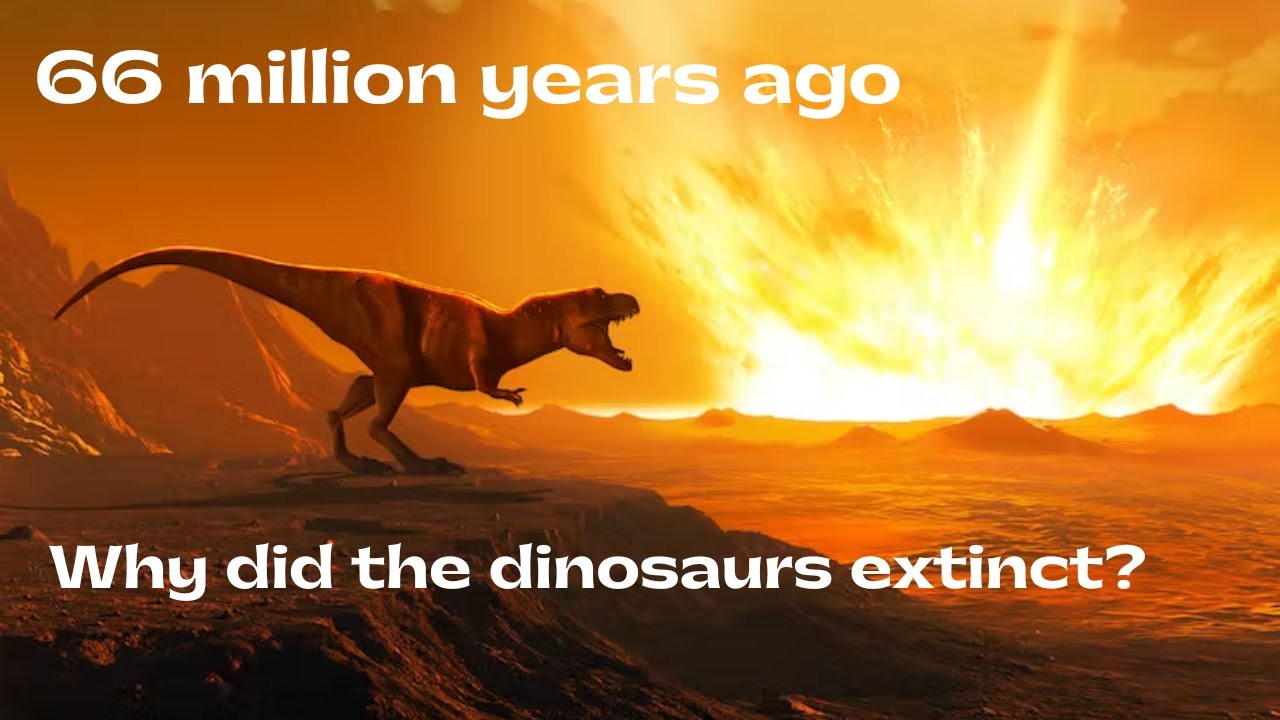
Imagine a patient lying on an examination table. The skin is gone, the organs have vanished, and all that remains is a skeleton turned to stone. This patient is 66 million years old, a Tyrannosaurus rex, and it holds secrets locked within its bones. How do we, in the 21st century, perform a medical diagnosis on a creature that last drew breath in the Cretaceous period?
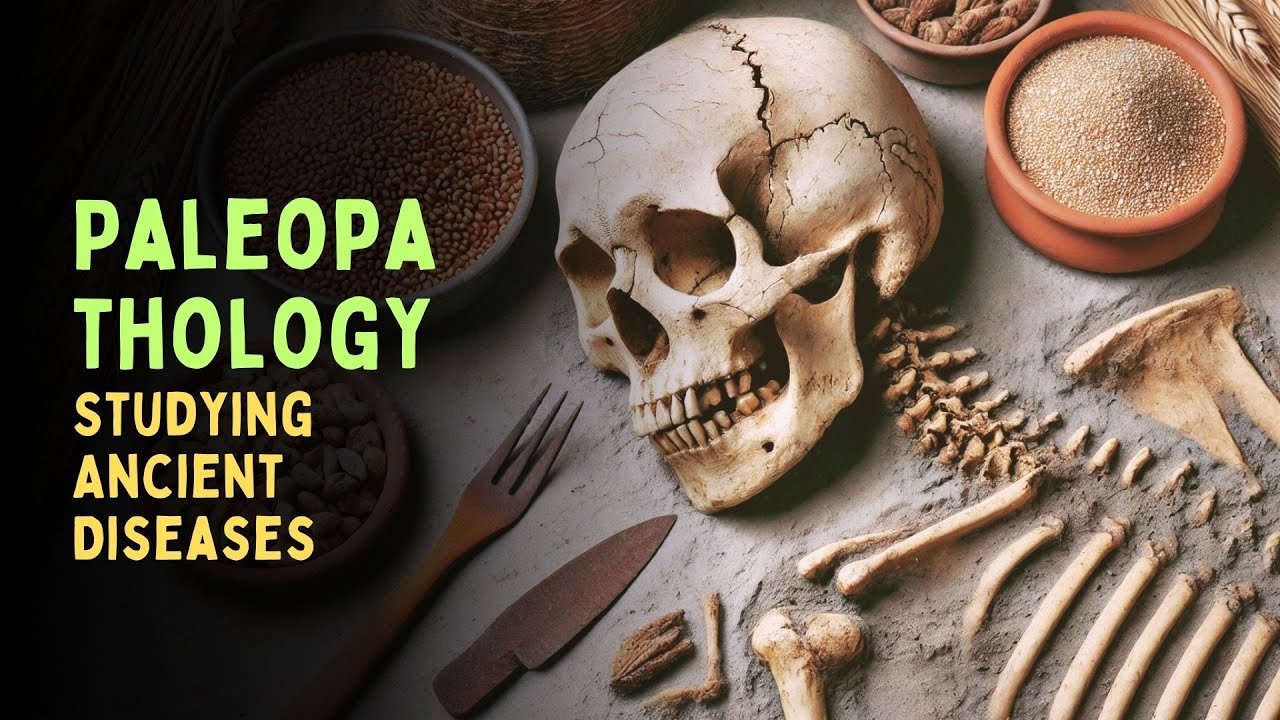
Welcome to the world of digital paleopathology, a fascinating field where cutting-edge medical technology meets ancient history. It’s a discipline that treats fossils not just as relics, but as medical case files. By peeling back the layers of rock and time with digital tools, scientists are becoming cold-case detectives, uncovering the stories of trauma, infection, and chronic illness that plagued the planet’s most ancient inhabitants.
The Patient Record: What Bones Can Tell Us
Before the advent of digital technology, paleopathology relied on the naked eye and a deep understanding of anatomy. The foundational principle, known as the comparative approach, involved meticulously comparing abnormalities on ancient bones to known diseases in modern humans and animals. A pitted lesion might suggest an infection; a gnarled joint could be a sign of arthritis.
For over a century, this method has been the bedrock of the field, revealing the ancient origins of many afflictions we face today. Studies have documented everything from fractures and infections to neoplasms (tumors) in skeletons across thousands of years.
However, this approach has its limits. What lies inside the bone? How can we be sure of a diagnosis without being destructive? A fossil is often a priceless, one-of-a-kind specimen. Sawing it open to look for clues is rarely an option. This is where the digital revolution changed everything.
Entering the Digital Morgue: The Modern Paleopathologist’s Toolkit
Today’s paleopathologists have an arsenal of non-invasive technologies that allow them to peer inside a fossil with breathtaking precision. They can explore the intricate, internal architecture of a bone without ever touching a scalpel or a saw.
These tools transform a static fossil into a dynamic, three-dimensional dataset, creating a “digital twin” of the ancient patient.
| Digital Tool | The Superpower | What It Reveals |
|---|---|---|
| CT Scanning | X-Ray Vision | Internal fractures, bone density, and hidden lesions. |
| Micro-CT | Microscopic Vision | The bone’s cellular structure and signs of disease at a micro level. |
| 3D Modeling | Virtual Surgery | Allows for manipulation, measurement, and “digital dissection.” |
| Histology | The Biopsy | Examines tissue structure to identify specific disease processes. |
This move to a digital workflow has fostered a powerful multidisciplinary approach. A paleontologist in Montana can now send a CT scan of a dinosaur femur to a radiologist in Germany and an orthopedic surgeon in Japan. This global collaboration brings diverse expertise to bear on a single ancient case, refining the diagnostic process.
The Diagnostic Process: From Anomaly to Answer
Finding a strange bump on a 66-million-year-old bone is just the beginning. The path to a confident diagnosis is a rigorous, multi-step investigation.
1. Spotting the Lesion
The first step is identifying a paleopathology—any feature on the bone that deviates from the normal, healthy state. This could be a healed fracture, an area of bone growth, or a hole that shouldn’t be there.
2. Crafting a Differential Diagnosis
A single symptom can have many causes. A hole in a jawbone, for instance, could be from a puncture wound, a burrowing invertebrate after death, a bone-eating infection, or even a cancerous tumor. Scientists create a differential diagnosis, a list of all possible causes. This is where modern medical knowledge is crucial. By comparing the fossil’s pathology to clinical data from humans and animals, they can begin to narrow down the possibilities. Resources like the Digital Atlas of Ancient Rare Diseases (DAARD) help researchers search for comparative cases across time and geography, enriching this process.
3. Analyzing the Bony Response
The true story is often told not by the initial injury, but by how the bone reacted to it. Did it try to heal? Is there evidence of a prolonged inflammatory response, typical of a chronic infection like osteomyelitis? Or does the bone show the disorganized, destructive growth characteristic of a malignant tumor? Understanding the pathophysiology, or the functional changes associated with a disease, allows scientists to move beyond simple description to a robust diagnosis.
4. Reconstructing the Narrative
The final diagnosis helps reconstruct a part of the animal’s life story. For example, the famous T-rex specimen known as “Sue” has a jaw full of pathological holes. A detailed analysis concluded they were likely caused by a parasitic infection similar to trichomoniasis, which afflicts modern birds. This single diagnosis offers a vivid glimpse into her life: a painful infection may have made it difficult for her to eat, possibly contributing to her death. Similarly, diagnoses of cancer in duck-billed dinosaurs prove that this is not a modern disease but an ancient foe that life has battled for eons.
Beyond Dinosaurs: The Future is Molecular
While extracting viable DNA from a 66-million-year-old fossil remains in the realm of science fiction, the study of more recent remains has entered the molecular age. Advances in ancient DNA (aDNA) extraction have allowed scientists to identify the specific pathogens responsible for diseases in the past.
Researchers can now pull the genetic code of the tuberculosis bacterium from the bones of an Egyptian mummy or identify the plague pathogen in the teeth of medieval skeletons. This allows us to track the evolution of infectious diseases and understand how they adapted to their human hosts. While we can’t yet test our T-rex patient for the flu, these techniques are pushing the boundaries of what we can learn from the more recent past.
Why It Matters: Connecting an Ancient Patient to a Modern World
Diagnosing a disease in a long-extinct animal may seem like an academic curiosity, but it has profound implications.
- Understanding the Evolution of Disease: It reveals the deep evolutionary history of afflictions like cancer and arthritis, showing how they have manifested across different species and vast timescales.
- Informing Animal Behavior: Pathologies can provide clues about an animal’s lifestyle. Healed fractures on the frill of a Triceratops might be evidence of combat with rivals, while specific bite marks can identify its predators.
- A Shared History: Ultimately, digital paleopathology reveals a fundamental truth: the struggle against injury and disease is a universal part of the story of life on Earth.
Our 66-million-year-old patient, once silent and still, is now speaking. Through the lens of digital technology, its bones are telling tales of epic battles, painful illnesses, and the incredible resilience of life. And in listening to its story, we learn more about our own.
Additional Information
Of course. Here is a detailed article and analysis on digital paleopathology, incorporating the provided search results to ensure the content is current and comprehensive.
Digital Paleopathology: Diagnosing Disease in a 66-Million-Year-Old Patient
Imagine a patient arrives for a diagnostic workup. They are enormous, their bones are infused with minerals, and they have been dead for 66 million years. This isn’t a scene from a science fiction movie; it’s the cutting-edge reality of digital paleopathology, a field that uses modern medical technology to diagnose diseases in dinosaurs and other ancient life. By treating fossils not as inert rocks but as the remains of once-living individuals, scientists are opening a remarkable window into the deep history of health and disease.
Paleopathology, the study of disease in ancient remains, has existed for over a century, with early research identifying conditions like trauma, arthritis, and infections in skeletal collections (Grauer, 2018). However, the “digital revolution” has transformed it from a practice of simple visual inspection into a sophisticated, non-invasive diagnostic science.
The Modern Diagnostic Toolkit: From Eyeballs to Algorithms
Diagnosing a pathology in a fossilized dinosaur presents unique challenges. The remains are often incomplete, distorted by geological processes, and made of stone, not bone. Traditional methods, which might involve cutting into a fossil, risk destroying an irreplaceable specimen. This is where digital techniques have become indispensable.
1. Non-Invasive Imaging: Peering Inside the Fossil
The cornerstone of modern paleopathology is advanced medical imaging, which allows scientists to see inside a fossil without ever touching a scalpel.
-
Computed Tomography (CT) and Micro-CT Scanning: Just as a CT scanner creates a 3D image of a human patient’s organs, it can be used to scan a fossil. High-resolution Micro-CT scanners provide even finer detail, down to the microscopic level. These scans reveal the internal architecture of the bone, showing:
- Healed or unhealed fractures hidden within the bone.
- Signs of infection (osteomyelitis), visible as destructive lesions or abnormal bone growth.
- Tumors and neoplasms, which often have a distinct, chaotic internal structure compared to normal bone or post-traumatic growths.
- Changes in bone density related to metabolic diseases.
-
3D Digital Modeling and Printing: The data from a CT scan is used to create a high-fidelity 3D model of the fossil. This digital model can be rotated, sliced, and examined from any angle. Scientists can even 3D print the model, allowing for hands-on study of the pathology without risking the original. This is crucial for collaborative analysis and for comparing specimens located in different museums across the globe.
2. The Comparative Approach: Grounding Diagnoses in Modern Biology
A strange lump on a dinosaur bone means nothing in isolation. The diagnosis of any ancient disease is of central importance, as it helps build a larger picture of the disease burden on a population (ScienceDirect, 2017). Therefore, the “comparative approach” remains the foundation of paleopathology (PubMed, 2018).
Scientists compare the observed pathology in the fossil to known diseases in living animals. For dinosaurs, the most relevant comparisons are with their closest living relatives: birds and crocodilians. If a lesion on a Tyrannosaurus rex femur looks structurally identical to bone cancer (osteosarcoma) in a modern eagle, the diagnosis gains significant weight.
This comparative work is increasingly augmented by digital databases. While projects like the Digital Atlas of Ancient Rare Diseases (DAARD) focus on human history, they exemplify the principle: creating centralized, searchable collections of paleopathological cases to help specialists identify patterns and make more accurate diagnoses (NCBI, 2024). A similar approach is being used for dinosaur pathologies, helping researchers like Dr. Penélope Cruzado-Caballero, who studies pathological trends in ornithopod dinosaurs, to build a comprehensive epidemiological picture of dinosaur health (Springer, 2023).
The Diagnostic Process: A Multidisciplinary Investigation
Making a definitive diagnosis is an integrative, multidisciplinary effort that mirrors a modern medical consultation (ASM Journals, 2015).
- Initial Observation: A paleontologist notices an abnormality—a hole, a swelling, a malformation—on a fossil.
- Digital Imaging: The fossil is scanned using CT or Micro-CT to reveal its internal structure.
- Differential Diagnosis: Like a physician, the paleopathologist creates a list of possible causes (the differential diagnosis). Is the lump a healed fracture callus? Is it a benign tumor? Is it a malignant cancer? Is it a chronic infection?
- Pathophysiological Analysis: Scientists then move beyond simple comparison and analyze the pathophysiology—how the bone tissue reacted to the disease. The CT scans can show if the bone response was slow and organized (suggesting a benign or chronic condition) or rapid and chaotic (suggesting aggressive cancer or infection). This focus on the “bony responses to disease” provides a more robust diagnostic framework than comparison alone (PubMed, 2018).
- Histology (when possible): In some cases, a small sample can be taken to create a thin section for microscopic analysis. By examining the fossilized cellular structure (histology), researchers can see evidence of blood vessels, bone-building cells (osteoblasts), and the tell-tale disorganized tissue of a tumor, confirming a diagnosis at the cellular level.
- Molecular Paleopathology (The New Frontier): Advances in DNA technology have revolutionized the study of more recent diseases, allowing scientists to extract ancient DNA (aDNA) from pathogens like Yersinia pestis (the plague) from human remains thousands of years old (The Pathologist, 2018). For a 66-million-year-old dinosaur, however, DNA is far too degraded to survive. The frontier here lies in paleoproteomics—the study of ancient proteins, which can survive much longer than DNA. Detecting specific proteins could one day offer definitive biochemical evidence of certain diseases.
Why It Matters: Reconstructing Ancient Lives and Diseases
Diagnosing a single case of gout in a T. rex or bone cancer in a hadrosaur is more than just a medical curiosity. This research has profound implications:
- Understanding the Evolution of Disease: By identifying pathologies in the deep past, we can track the evolutionary history of diseases like cancer and arthritis. We learn that these are not just “modern” ailments but fundamental biological processes that have affected life for hundreds of millions of years.
- Reconstructing Paleoecology: A high incidence of traumatic injuries in a fossil deposit might suggest intense predator-prey interactions or competition within a species. Widespread infectious disease could indicate environmental stressors or overcrowding.
- Connecting Past to Present: Studying how a dinosaur’s immune system responded to an infection or how a tumor developed in its bones provides a baseline understanding of these diseases in a non-mammalian vertebrate. This deep-time perspective can offer novel insights for modern veterinary and human medicine.
In conclusion, the 66-million-year-old patient is receiving better care than ever before. Through the integration of digital imaging, comparative anatomy, and multidisciplinary analysis, paleopathologists are no longer just fossil collectors. They are medical detectives, piecing together the life stories of ancient animals one diagnosis at a time and, in doing so, revealing the timeless and universal nature of disease.