
Tiny Tyrants or Juvenile Giants? How Digital Bone Histology Settles the Identity Crisis
For decades, a spectral figure has haunted the halls of paleontology, lurking in the shadow of the world’s most famous predator. It is small, sleek, and fast—a contrast to the heavy-set, bone-crushing majesty of Tyrannosaurus rex. For some, this creature was Nanotyrannus lancensis, a distinct “pygmy tyrant.” For others, it was simply a “Teenage Rex,” a gawky juvenile caught in the middle of a massive growth spurt.
The debate has been one of the most contentious in natural history, polarizing experts and leaving museum labels in a state of flux. However, the dawn of digital bone histology and the discovery of rare anatomical markers have finally pulled the curtain back on this prehistoric identity crisis.
The Mystery of the 1942 Skull
The saga began in Montana in 1942 with the discovery of a small, narrow skull. Initial assessments labeled it a new species, but by the late 20th century, the consensus shifted. Many paleontologists argued that the “Nanotyrannus” fossils were merely immature T. rex specimens. They pointed to the fact that T. rex underwent a radical transformation as it aged, moving from a lanky, long-legged hunter to a massive, apex tank.
The problem? Science requires more than just a visual “gut feeling.” To solve the mystery, researchers had to look inside the bones themselves.
Enter Osteohistology: Reading the Tree Rings of Time
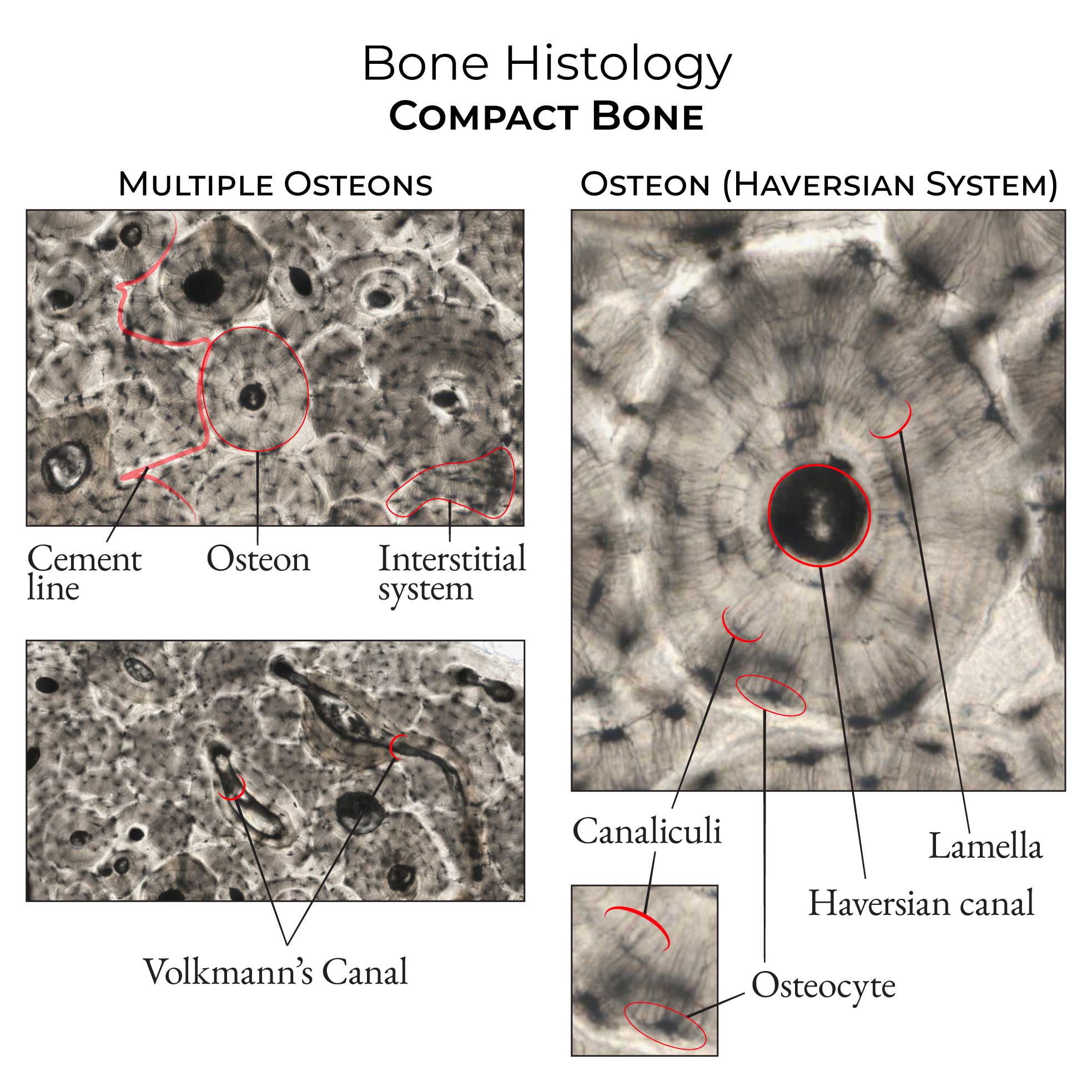
The most significant breakthrough in this cold case has come from osteohistology—the microscopic study of bone tissue. Much like the rings of a tree, dinosaur bones contain Lines of Arrested Growth (LAGs). These lines indicate annual cycles, allowing scientists to determine exactly how old a dinosaur was when it died and how fast it was growing.
Recent studies utilizing digital bone histology have examined thin slices of femur and tibia bones from these “Tiny Tyrants.” If these animals were juvenile T. rex individuals, the bone tissue should show signs of rapid, explosive growth consistent with a creature destined to weigh eight tons.
Instead, the results revealed something startling:
- Slow Growth Rates: The bone tissues showed narrow LAGs, suggesting the animals were growing slowly, not surging toward giant status.
- Approaching Maturity: Many of the specimens, including the famous “Jane” and the original 1942 skull, showed bone remodeling typical of animals reaching their adult size.
Comparison of Tyrant Profiles
| Feature | Nanotyrannus (Adult) | T. rex (Juvenile) |
|---|---|---|
| Build | Sleek, gracile | Lanky, growing fast |
| Growth Speed | Slow and steady | Explosive/Rapid |
| Arm Length | Proportionally long | Proportionally short |
| Tooth Count | Higher (More teeth) | Lower (Fewer teeth) |
| Primary Prey | Small, agile game | Small to medium game |
The “Smoking Gun”: The Hyoid Bone
While histology provided the internal evidence, a recent and definitive discovery has come from an unlikely place: the throat. A study published in late 2025 focused on the hyoid bone (a delicate throat bone) from the original 1942 Montana skull.
The hyoid is rarely preserved, but its structure is highly telling of a species’ lineage and functional anatomy. The analysis revealed that the Nanotyrannus hyoid is fundamentally different from that of a T. rex. These structural differences are not the kind that change during an animal’s growth; they are ingrained markers of a separate evolutionary path. This “rare bone” find has acted as the final piece of the puzzle, confirming that Nanotyrannus was not a baby, but a distinct, adult “Short King.”
Ecological Niche Partitioning
The confirmation of Nanotyrannus as a separate species changes our entire understanding of the Late Cretaceous ecosystem. Instead of one giant predator dominating the landscape at different life stages, we now see a more complex world.
Nanotyrannus was the specialized “sprinter” of the tyrannosaur family. While the juvenile T. rex was busy growing its massive skull and prepares for a life of crushing bone, the adult Nanotyrannus was a refined, high-speed hunter, filling a niche for smaller, faster prey that the heavy T. rex couldn’t catch.
Why the Identity Crisis Lasted So Long
The confusion stemmed from the incredible ontogeny (growth stages) of tyrannosaurs. Because T. rex changed so much as it grew, it was easy to assume any small tyrannosaur was just a work in progress. It took the precision of digital histology—viewing the cellular organization of the bone—to prove that these animals were already at the “finish line” of their growth when they died.
The Verdict: The Return of the Short King
Digital bone histology has effectively settled the score. By measuring the organization of tissues and the spacing of growth rings, researchers have refuted the “pygmy rex” theory. Nanotyrannus has reclaimed its title.
The resolution of this identity crisis is a testament to the power of modern technology in paleontology. We no longer have to guess based on the shape of a skull; we can look at the very biological blueprint of the animal. The “Tiny Tyrant” was a formidable predator in its own right—a sleek, deadly contemporary to the King, proving that even in the world of giants, there is plenty of room for a specialist.

Additional Information
The debate over whether Nanotyrannus lancensis was a distinct species of “pygmy” tyrant or simply a gawky, teenage Tyrannosaurus rex has been one of the most contentious “cold cases” in paleontology for over 30 years.
However, recent breakthroughs in digital bone histology and the discovery of specific anatomical markers have provided a definitive answer. Here is a detailed analysis of how science settled the identity crisis of the “Tiny Tyrant.”
1. The Core Conflict: Lumping vs. Splitting
For decades, paleontologists were divided into two camps:
- The Lumpers: Argued that Nanotyrannus fossils (like the 1942 Cleveland skull and “Jane”) were juvenile T. rex specimens. They believed T. rex underwent a massive physical transformation as it grew, changing from a slender, long-legged runner to a bulky, bone-crushing apex predator.
- The Splitters: Argued that the anatomical differences—such as more teeth, longer arms, and a different skull shape—were too significant to be age-related and represented a separate genus.
2. The Smoking Gun: The Hyoid Bone (2024/2025 Findings)
The most recent and perhaps most “definitive” evidence comes from the study of a hyoid bone (a throat/tongue bone) found in the original 1942 Nanotyrannus skull.
- Why it matters: Anatomical features like the hyoid are highly conservative and species-specific.
- The Analysis: In a study published in Science (and highlighted in recent reports), researchers found that the Nanotyrannus hyoid is fundamentally different in shape and structure from that of any known T. rex.
- The Conclusion: Because these bones do not transform into different shapes as an animal matures, the presence of a distinct hyoid proves that Nanotyrannus was a separate evolutionary lineage.
3. Digital Bone Histology: Reading the Growth Rings
Bone histology is the study of the microscopic structure of bone tissue. By taking thin slices of fossilized leg bones (femurs and tibias) and examining them under high-powered digital microscopes, scientists can see Lines of Arrested Growth (LAGs)—essentially tree rings for dinosaurs.
How it settled the debate:
- Growth Trajectory: If Nanotyrannus were a juvenile T. rex, the LAGs would be widely spaced, indicating a period of rapid “teenage” growth.
- The Reality: The histology of Nanotyrannus specimens shows that the growth rings were becoming closely packed (a condition called the External Fundamental System).
- The Verdict: This indicates that the animal’s growth had slowed to a crawl and it was reaching maturity. At roughly 15% the size of a full-grown T. rex, these animals were nearly finished growing. This confirms they were “Tiny Tyrants” rather than “Juvenile Giants.”
4. Morphological Analysis: Arms and Teeth
Beyond the bones’ interior, the exterior anatomy further separates the two:
- The Arms: Nanotyrannus actually had larger arms relative to its body size than a massive adult T. rex. If a Nanotyrannus grew into a T. rex, its arms would have to physically shrink or stop growing entirely while the rest of the body quintupled in size—a biological improbability.
- The Teeth: Nanotyrannus possessed a higher tooth count (specifically in the maxillary and dentary bones) than T. rex. Usually, as dinosaurs grow, they lose tooth positions; the gap between the two was too wide to be explained by simple aging.
5. Ecological Implications: The “Cheetah and the Lion”
The validation of Nanotyrannus as a separate species changes our understanding of the Hell Creek ecosystem (approx. 66 million years ago).
- Niche Partitioning: Instead of one species (T. rex) dominating every predatory level as it grew, we now see a tiered system.
- Nanotyrannus (The Cheetah): A sleek, fast, long-legged pursuit predator that likely hunted smaller, more agile prey.
- T. rex (The Lion/Grizzly): A heavy, powerful ambush predator that relied on immense bite force to take down armored herbivores like Triceratops.
Summary Table: Nanotyrannus vs. Juvenile T. rex
| Feature | Nanotyrannus Evidence | Interpretation |
|---|---|---|
| Bone Rings (Histology) | Closely spaced (plateaued growth) | Nearly adult; not a “baby” |
| Hyoid (Throat Bone) | Unique, species-specific shape | Distinct genus from T. rex |
| Forelimbs | Proportionally long and functional | Different hunting strategy |
| Tooth Count | Higher (up to 17 per side) | Evolutionary divergence |
| Body Mass | Maxed out at ~1,000–1,500 kg | A “pygmy” tyrant |
Conclusion
The “Identity Crisis” is effectively over. Through the precision of digital bone histology and the discovery of rare skeletal elements like the hyoid, the scientific community has confirmed that Nanotyrannus was a valid, distinct species. It was not a “teenage” king, but a “short king”—a specialized, high-speed killer that lived in the shadow of its larger, more famous cousin.

